The market for prostate health supplements is vast and often confusing. Dozens of products make bold claims, yet the true measure of any formula lies in the quality, dosage, and clinical backing of its ingredients. This guide breaks down the most commonly used natural compounds in prostate supplements — explaining the science behind each one so you can evaluate products with confidence.
🎯 What to look for: The best prostate supplements combine multiple complementary ingredients that address different aspects of prostate health simultaneously — from hormonal balance and inflammation to urinary function and cellular protection.
Why Natural Ingredients for Prostate Health?
The prostate gland is a small but complex organ at the intersection of multiple physiological systems — the urinary tract, the hormonal system, the immune system, and the vascular network. As men age, the prostate becomes progressively more vulnerable to conditions including benign prostatic hyperplasia (BPH), prostatitis, and in more serious cases, cancer. Pharmaceutical options exist for these conditions, but they frequently carry significant side effects including sexual dysfunction, dizziness, and in some cases, hormonal disruption.
Natural botanical and nutritional compounds offer a different approach: targeting the underlying factors that contribute to prostate dysfunction — including inflammation, oxidative stress, hormonal imbalance, and poor blood flow — without the side effect profiles associated with pharmaceutical interventions. When selected carefully and combined intelligently, natural ingredients can provide meaningful support for prostate health as both a preventive measure and a complement to conventional care.
The 11 Key Natural Ingredients in ProstaVive — Explained
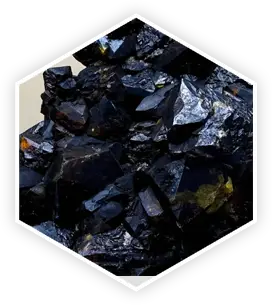
Boron
Boron is a trace mineral with an impressive and often underappreciated role in men's health. Research has demonstrated that boron supplementation can raise free testosterone levels by reducing the sex hormone-binding globulin (SHBG) that keeps testosterone inactive. Beyond hormonal support, boron plays a significant role in healthy inflammatory response regulation — and emerging research links adequate boron status to reduced prostate cancer risk markers. Boron also supports cognitive function and the body's ability to utilize Vitamin D effectively, making it a genuinely foundational micronutrient for male wellness.
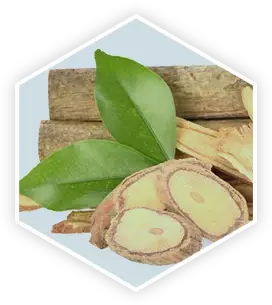
Tongkat Ali (Eurycoma longifolia)
Tongkat Ali, also known as Longjack, is one of the most extensively studied herbs in Southeast Asian traditional medicine and is gaining increasing recognition in the global men's health literature. Multiple randomized controlled trials have documented its ability to raise free testosterone levels, reduce cortisol, and improve parameters of sexual function and fertility. For the prostate specifically, Tongkat Ali's anti-estrogenic activity helps modulate the hormonal environment that drives prostate tissue growth, while its antioxidant properties protect prostate cells from oxidative damage.
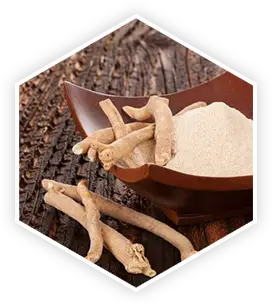
Ashwagandha (Withania somnifera)
One of Ayurvedic medicine's most validated botanical compounds, Ashwagandha has accumulated an impressive body of modern clinical evidence. Its primary mechanism involves regulation of the hypothalamic-pituitary-adrenal (HPA) axis — the system governing cortisol production and stress response. By moderating cortisol output, Ashwagandha indirectly supports testosterone production, since high cortisol suppresses the hormonal cascade that produces testosterone. Studies also document improvements in libido, lean muscle mass, sperm quality, and general vitality among men using Ashwagandha regularly.
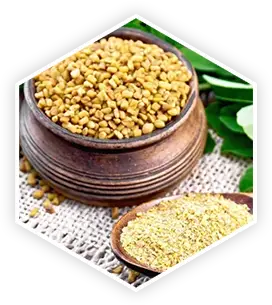
Fenugreek
Fenugreek seeds contain furostanolic saponins — compounds that have been shown in clinical studies to inhibit the enzymes that convert testosterone to estrogen and DHT. This dual mechanism makes fenugreek particularly valuable for prostate health, where DHT-driven tissue enlargement and estrogenic influence both play pathological roles. Beyond its hormonal benefits, fenugreek demonstrates cholesterol-lowering activity (relevant because elevated cholesterol is associated with increased BPH risk), antioxidant properties, and positive effects on mood and libido. A study in Food Chemistry confirmed enhanced hypocholesterolemic activity in fenugreek extracts, supporting its cardiovascular-prostate health connection.
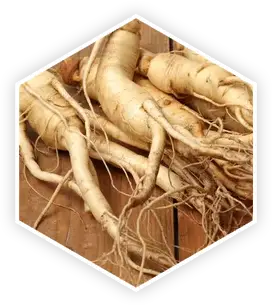
Panax Ginseng
Known as the "king of herbs" in traditional Chinese medicine, Panax Ginseng is one of the most globally recognized and studied botanical compounds. For prostate health specifically, ginseng promotes healthy blood flow to the pelvic region through nitric oxide pathway support — delivering more oxygen and nutrients to prostate tissues. Its ginsenoside compounds have demonstrated anti-proliferative effects on prostate cells in laboratory studies, while its adaptogenic properties support energy, immune function, and brain health simultaneously. Clinical research has also documented improvements in erectile function among men taking Panax Ginseng.
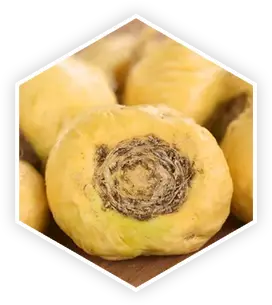
Maca Root (Lepidium meyenii)
Maca Root is a cruciferous vegetable native to the high Andes of Peru that has been used for centuries to support male fertility, stamina, and hormonal health. Modern research has validated many of these traditional applications. Studies published in peer-reviewed journals have found that maca significantly protects male fertility and prostate health through its unique phytonutrient profile — including glucosinolates that have shown prostate-protective properties in cellular research. Beyond prostate support, maca's adaptogenic nature makes it particularly effective for improving mood, energy, and the neurological aspects of libido that other botanicals may miss.
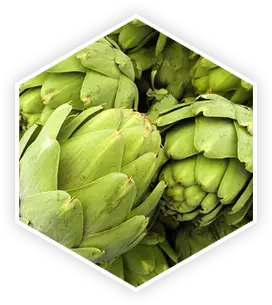
Artichoke Extract
Artichoke (Cynara scolymus) extract is rich in cynarin and luteolin — powerful polyphenolic antioxidants with demonstrated benefits for liver health, cardiovascular function, and cellular oxidative stress reduction. For the prostate, the liver connection is particularly relevant: the liver is responsible for metabolizing and eliminating excess estrogens from the body. A well-supported liver reduces the estrogenic burden that contributes to prostate tissue enlargement. Luteolin specifically has shown preliminary evidence of inhibiting prostate cell proliferation in laboratory studies, though clinical human data remains limited.

Nettle Root (Urtica dioica)
Nettle Root stands as one of the most clinically validated herbal treatments for BPH-related urinary symptoms. Multiple European clinical trials — including a well-regarded 6-month randomized controlled trial — have documented significant improvements in urinary flow rate, post-void residual volume, and subjective symptom severity in men treated with nettle root extract. Its mechanism involves inhibition of SHBG binding (increasing free testosterone), modulation of prostate cell metabolism, and reduction of pro-inflammatory cytokines within prostate tissue. Nettle root works particularly well in combination with other prostate herbs, which is why it appears in most high-quality prostate formulas.
Zinc
Zinc holds a uniquely important position in prostate biochemistry. The healthy prostate gland contains the highest concentration of zinc of any soft tissue in the human body — and this mineral is essential for the gland's normal anti-proliferative function. Research has demonstrated that prostate cancer and BPH tissue consistently shows depleted zinc levels compared to healthy prostate tissue. Zinc supports testosterone production, immune function, cell division regulation, and the antioxidant enzyme systems that protect prostate tissue from free radical damage. Zinc deficiency — common in men with high stress levels, poor diet, or aging — is directly associated with increased prostate vulnerability.
Magnesium
Magnesium is involved in over 300 enzymatic reactions in the human body and is chronically deficient in the modern male diet. Its relevance to prostate health is multifaceted: magnesium supports healthy testosterone synthesis, regulates smooth muscle tone in the bladder and urethra (directly affecting urinary flow), and plays a critical role in sleep quality — particularly in achieving the deep, restorative sleep stages where testosterone and growth hormone are primarily secreted. Research also links adequate magnesium to reduced systemic inflammation, better vascular function, and improved insulin sensitivity — all factors that influence prostate health indirectly but significantly.
Vitamin D
Vitamin D's role in prostate health has become one of the most compelling areas of men's health research in recent years. Prostate cells contain Vitamin D receptors, and these receptors — when activated — appear to regulate cell growth and promote programmed cell death (apoptosis) in abnormal prostate cells. Epidemiological studies consistently link Vitamin D deficiency with increased risk of both BPH progression and prostate cancer. Beyond the prostate, Vitamin D supports mood regulation (through serotonin pathway influence), bone and joint integrity, immune function, and metabolic health — all areas where men over 40 are particularly vulnerable. Vitamin D3 supplementation is now widely regarded as one of the most fundamental aspects of men's preventive health strategy.
Ingredient Comparison: Summary Reference Table
| Ingredient | Primary Benefit | Targets Prostate | Supports Hormones | Reduces Inflammation | In ProstaVive |
|---|---|---|---|---|---|
| Boron | Free testosterone, inflammation | ✔ | ✔ | ✔ | ✔ |
| Tongkat Ali | Testosterone, cortisol, libido | ✔ | ✔ | ✔ | ✔ |
| Ashwagandha | Stress, hormonal balance | ✔ | ✔ | ✔ | ✔ |
| Fenugreek | DHT modulation, cholesterol | ✔ | ✔ | — | ✔ |
| Panax Ginseng | Blood flow, energy, immunity | ✔ | ✔ | ✔ | ✔ |
| Maca Root | Fertility, energy, prostate | ✔ | ✔ | — | ✔ |
| Artichoke Extract | Antioxidant, liver, cardio | — | — | ✔ | ✔ |
| Nettle Root | Urinary flow, BPH relief | ✔ | ✔ | ✔ | ✔ |
| Zinc | Prostate tissue, testosterone | ✔ | ✔ | — | ✔ |
| Magnesium | Sleep, smooth muscle, energy | ✔ | ✔ | ✔ | ✔ |
| Vitamin D | Prostate cell regulation, mood | ✔ | — | ✔ | ✔ |
How to Evaluate a Prostate Supplement
Armed with ingredient knowledge, here is what to look for when assessing any prostate supplement:
- Multi-ingredient formula: Single-ingredient products miss the multi-pathway nature of prostate health. Look for formulas addressing inflammation, hormonal balance, blood flow, and urinary function simultaneously.
- Transparent labeling: While not all manufacturers disclose exact dosages, the ingredient list should be clearly stated without proprietary blends that obscure what you are actually taking.
- Manufacturing quality: Look for products manufactured in GMP-certified, FDA-registered facilities in the USA for the highest quality and safety assurance.
- Satisfaction guarantee: A meaningful money-back guarantee (90 days minimum; 180 days is excellent) signals manufacturer confidence in the product's effectiveness.
- No fillers or unnecessary additives: The best natural formulas minimize binders, artificial colors, and unnecessary excipients that add nothing to efficacy.
- Consumer review track record: Look for verified purchase reviews across multiple platforms — not just testimonials on the product's own website.
ProstaVive Contains All 11 of These Evidence-Backed Ingredients
ProstaVive was formulated with each of the ingredients detailed in this guide — creating a comprehensive, multi-action formula that addresses prostate health, hormonal balance, urinary function, and male vitality from every significant biological angle. It is manufactured in a GMP-certified, FDA-registered facility in the USA and backed by a 180-day money-back guarantee.
🛒 Visit ProstaVive Official Website →